


Industrial doors play an essential role in protecting commercial premises, controlling access and supporting efficient daily operations. From warehouses and manufacturing facilities to workshops and distribution centres, businesses need reliable door systems that can withstand frequent use. AluGlass Solutions provides glazing and door solutions for commercial properties, helping businesses explore options suited to their operational requirements. Choosing Industrial Doors in Uxbridge can help improve site security, manage vehicle and pedestrian access, and create a more practical working environment.
Selecting the right industrial door involves considering security, durability, available space and the type of activities carried out on-site. AluGlass Solutions can help businesses understand the available options and identify door systems that suit their buildings and operational needs. Factors such as opening frequency, insulation, maintenance requirements and access control should all be considered before making a decision.
What Are Industrial Doors?
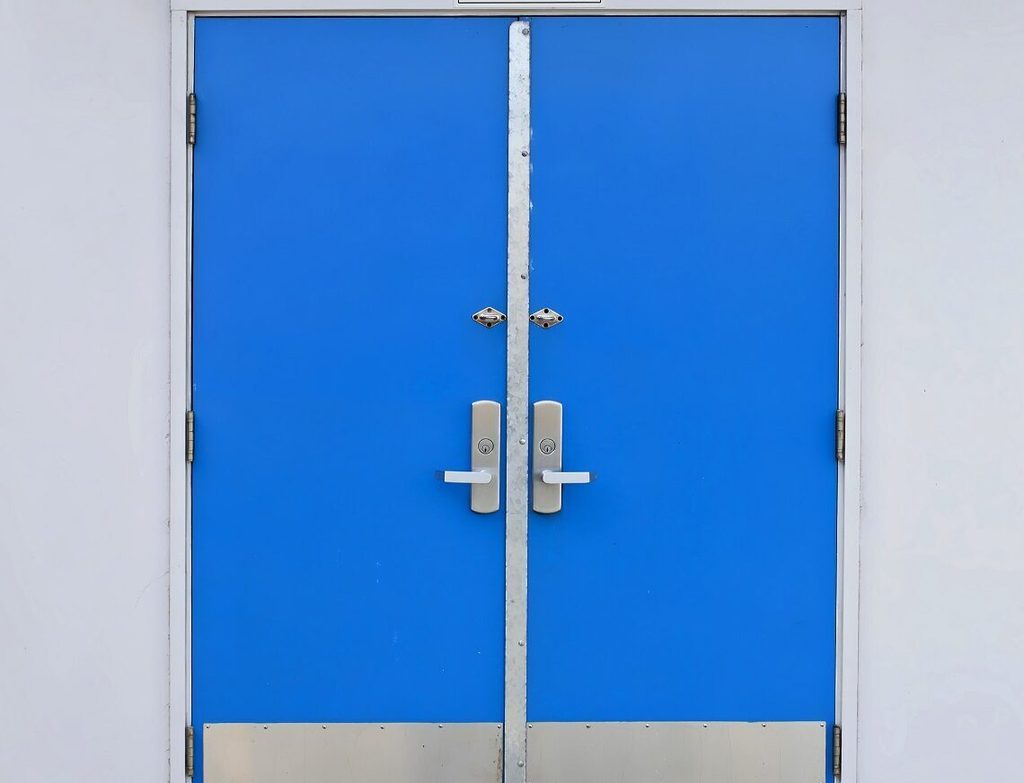
Industrial doors are purpose-designed door systems used in commercial and industrial environments where strength, reliability and controlled access are important. Unlike standard domestic doors, they are generally designed to accommodate demanding operating conditions, larger openings and more frequent use.
These doors are commonly installed in warehouses, factories, vehicle depots, workshops, storage facilities and commercial units. Depending on the application, they may provide secure access for employees, delivery vehicles, machinery and goods.
Industrial door systems are available in several designs, including roller shutter doors, sectional overhead doors, sliding doors and specialist personnel access doors. Each option has different characteristics, so the most suitable choice depends on the building layout, security requirements and intended use.
Types of Industrial Doors for Businesses
Understanding the different types of industrial doors can help businesses make informed decisions about their premises.
1. Roller Shutter Doors
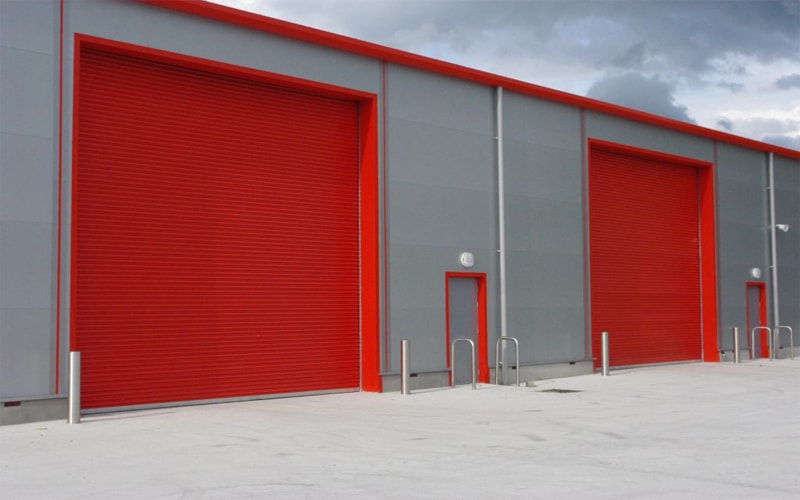
Roller shutter doors consist of interlocking slats that roll into a compact housing above the opening. Their space-saving design makes them suitable for warehouses, workshops, storage facilities and commercial units.
Depending on the specification, roller shutters can offer robust security and convenient operation. Manual and powered options are available, allowing businesses to choose a system based on the size of the opening and frequency of use.
2. Sectional Overhead Doors
Sectional overhead doors open vertically, with panels moving along tracks before resting beneath the ceiling. This design can help maximise usable space around loading areas and entrances.
Insulated sectional doors may also help reduce heat transfer between indoor and outdoor environments. They can be particularly useful for facilities where temperature control, regular deliveries or efficient vehicle movement are important.
3. Sliding Industrial Doors
Sliding doors move horizontally along a track and may be appropriate for buildings where overhead clearance is limited. They can accommodate wide openings and are useful in selected industrial and commercial applications.
The available wall space, opening dimensions and expected traffic levels should be assessed before installation to ensure the door operates effectively.
4. Personnel Access Doors
Industrial facilities often require separate entrances for employees and visitors. Dedicated personnel doors can help manage pedestrian movement without requiring large vehicle access doors to be opened.
Depending on the premises, these doors may incorporate access control, suitable locking systems and safety features to support everyday operations.
Benefits of Installing Industrial Doors in Uxbridge
Businesses can benefit from choosing a door system that matches their building and operational requirements.
Improved Security
Commercial premises may contain valuable equipment, stock, machinery and confidential materials. A suitably specified industrial door can help restrict unauthorised access and strengthen the building’s overall security.
Security performance depends on the door construction, locking mechanism, installation quality and wider access-control arrangements. Businesses should consider these elements together rather than relying on the door alone.
Greater Operational Efficiency
Warehouses and distribution facilities may open and close their doors many times throughout the working day. A reliable system can help employees move goods and vehicles efficiently while reducing unnecessary delays.
Powered doors may be beneficial in high-traffic environments, provided they are correctly installed, maintained and operated in accordance with relevant safety requirements.
Better Space Management
Different industrial door designs can help businesses make better use of their available floor and wall space. Roller shutters provide compact storage above the opening, while sectional overhead doors can leave the surrounding entrance area relatively unobstructed.
Choosing the right configuration can support smoother movement around loading bays, production areas and storage zones.
Energy Efficiency and Temperature Control
Where indoor temperatures matter, insulated industrial doors may help reduce heat transfer and draughts. This can be particularly useful in heated warehouses, workshops and facilities that need to maintain more consistent internal conditions.
Actual energy performance depends on insulation levels, perimeter seals, installation quality and how frequently the doors are opened.
Durability and Long-Term Value
Industrial doors are designed for specific operating conditions, but their service life depends on suitable specification and maintenance. Choosing appropriate materials and operating mechanisms can help businesses manage wear and reduce avoidable downtime.
Regular inspections also help identify developing faults before they lead to more extensive repairs.
Choosing the Right Industrial Door for Your Premises
Before selecting a door, businesses should assess several practical considerations.
Purpose and usage: Determine whether the door will primarily serve pedestrians, forklifts, delivery vehicles or general goods movement. High-frequency applications may require a system designed for intensive operation.
Opening dimensions: Measure the available width and height, including any overhead clearance or nearby obstructions. These details influence which door designs are suitable.
Security requirements: Consider the value of stored goods, the location of the premises and the level of access control required.
Insulation and weather protection: Businesses operating heated buildings or storing temperature-sensitive goods may benefit from insulated doors and effective perimeter seals.
Safety and compliance: Industrial doors must be suitable for their operating environment and comply with applicable UK requirements. Powered systems may require appropriate safety devices, risk assessments, installation checks and ongoing maintenance.
Maintenance needs: Consider the availability of servicing, replacement parts and support if the door develops a fault.
A professional assessment can help businesses compare these factors and avoid choosing a door that does not meet their practical needs.
Professional Installation and Maintenance
Correct installation is essential for ensuring an industrial door operates safely and reliably. The installation process generally involves checking the opening, confirming the structural requirements, fitting the door and operating mechanism, and testing its movement and safety features.
Powered doors require particular attention because moving components can create crushing, trapping and impact hazards if the equipment is unsuitable or poorly maintained. Safety devices, controls and emergency operating arrangements should be checked as appropriate for the system.
Ongoing maintenance is equally important. Businesses should arrange inspections at intervals appropriate to the door’s design, operating frequency and manufacturer’s recommendations. Routine checks may identify unusual noises, damaged tracks, worn rollers, faulty controls or problems with closing mechanisms.
Employees should also be trained to use the equipment correctly and report faults promptly. A damaged or malfunctioning door should not continue operating where doing so could create a safety risk.
Why Consider AluGlass Solutions?
Choosing a suitable door provider involves more than comparing initial prices. Businesses should look for clear advice, appropriate product specifications, reliable communication and an understanding of their property’s requirements.
AluGlass Solutions can be contacted by businesses exploring door and glazing solutions for commercial premises in Uxbridge and the surrounding areas. Before proceeding, discuss the intended application, available door configurations, installation requirements and ongoing maintenance arrangements.
A properly selected and installed industrial door can support site security, improve access and help maintain smooth business operations.
Frequently Asked Questions
Which industrial door is best for a warehouse?
Roller shutters and sectional overhead doors are common options. The best choice depends on the opening size, available clearance, insulation requirements, security needs and frequency of use.
Are industrial doors available with electric operation?
Yes. Many industrial door systems are available with powered operation. The specification should account for usage levels, appropriate safety devices and suitable operating controls.
How often should industrial doors be maintained?
Maintenance frequency depends on the door type, operating intensity, manufacturer guidance and applicable requirements. High-use powered doors may need more frequent inspections than lightly used manual systems.
Can industrial doors improve energy efficiency?
Insulated doors with effective seals can help reduce heat transfer and draughts. Performance depends on the complete installation and how frequently the door is opened.
What should businesses consider before installation?
Businesses should assess security, opening dimensions, daily usage, insulation, safety requirements and maintenance needs before selecting a door system.
Conclusion
Industrial doors are an important investment for businesses seeking reliable access, improved security and efficient use of commercial space. From roller shutters and sectional overhead doors to sliding systems and dedicated personnel entrances, the right solution depends on the building’s layout and operational requirements. Careful selection, professional installation and regular maintenance help support dependable performance over the long term.
For information about suitable commercial door and glazing solutions, contact AluGlass Solutions to discuss your requirements and explore the available options.
Contact AluGlass Solutions
Phone: 01895 217185
Email: info@aluglass.co.uk
Address: Ashley Road, Uxbridge, UB8 2GA, UK.



Comments are closed