


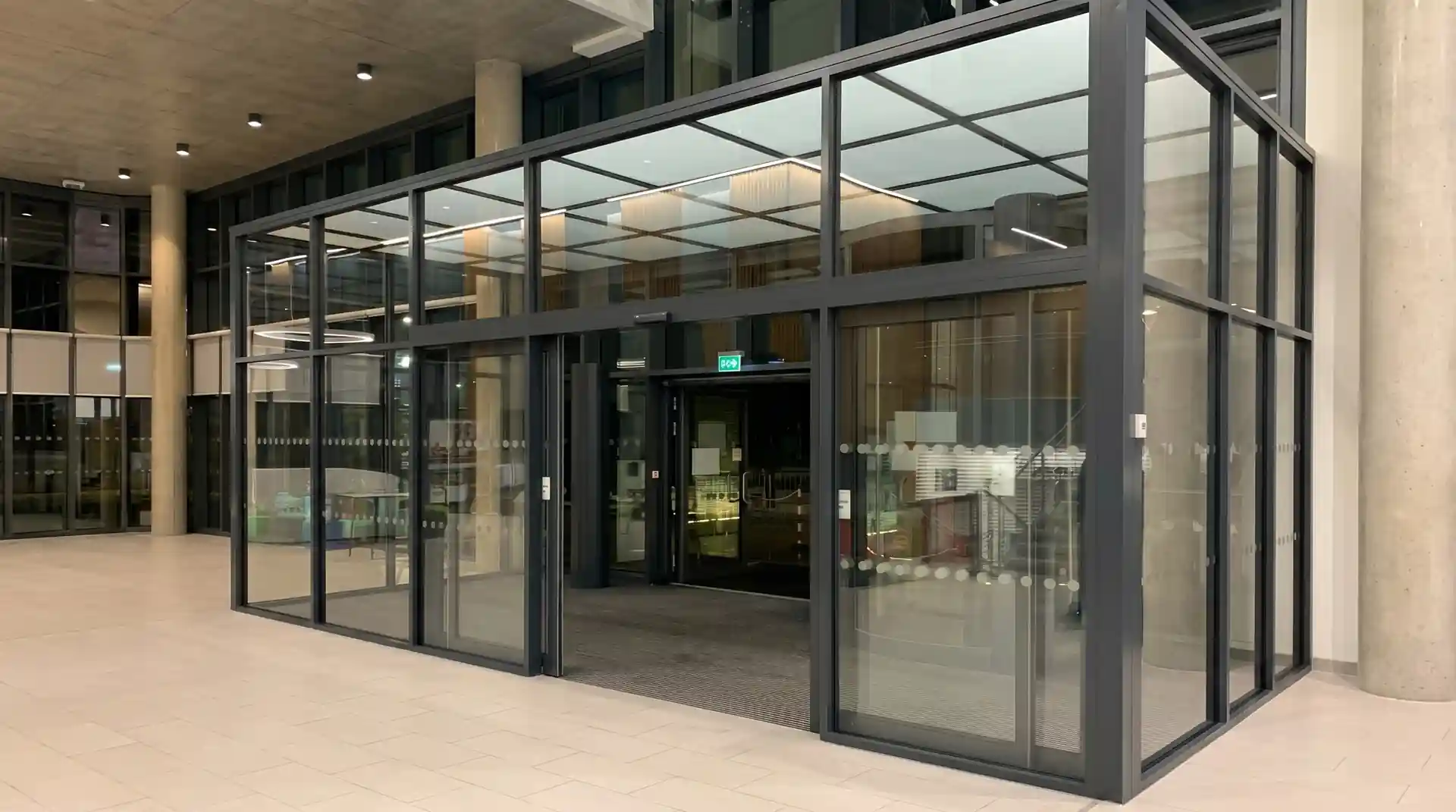
Modern businesses need entrance solutions that combine convenience, security and professional design. Automatic doors make it easier for customers, employees and visitors to enter and leave buildings while supporting a smooth flow of foot traffic. AluGlass Solutions provides door and glazing solutions for commercial properties, helping businesses explore suitable options for their premises. Installing Automatic Doors in Uxbridge can improve accessibility, create a welcoming entrance and support efficient movement in offices, retail spaces, healthcare facilities and other commercial environments.
Choosing the right automatic door system involves considering the building layout, expected foot traffic, accessibility requirements and security needs. AluGlass Solutions can help businesses understand different door configurations and identify options that suit their entrance requirements. With appropriate specification, professional installation and regular maintenance, automatic doors can provide reliable operation while complementing the appearance of a commercial property.
What Are Automatic Doors?
Automatic doors are entrance systems that open and close through a powered mechanism when activated by sensors, push buttons or other authorised controls. Unlike conventional doors, they reduce the need for users to physically push or pull the door, making access more convenient in busy environments.
These systems are commonly installed in shopping centres, offices, hotels, hospitals, clinics, supermarkets and commercial buildings. Depending on the design, automatic doors can accommodate pedestrian traffic, support controlled entry and help maintain a consistent flow of people through the entrance.
Modern systems may include motion sensors, presence detection, safety devices and access-control technology. The appropriate configuration depends on the building’s intended use and the people who will use the entrance.
Types of Automatic Doors for Commercial Properties
Different door systems offer different advantages. Understanding the available options can help businesses choose an appropriate solution.
1. Automatic Sliding Doors
Automatic sliding doors move horizontally along a track, allowing the entrance to open without requiring a swinging area. They are particularly suitable for buildings with frequent pedestrian traffic and limited space around the doorway.
Common applications include retail stores, office buildings, healthcare facilities and hotel entrances. Large glazed panels can create a contemporary appearance while allowing natural light into the entrance area.
When correctly specified, sliding doors can support smooth movement and provide convenient access for people carrying bags, pushing trolleys or using mobility aids.
2. Automatic Swing Doors
Automatic swing doors operate by opening a hinged door panel through a powered mechanism. They can be useful where the building’s existing layout or architectural design makes sliding doors less practical.
These systems may be suitable for offices, internal corridors and selected commercial entrances. Their installation requires consideration of the door’s swing area, surrounding pedestrian routes and appropriate safety features.
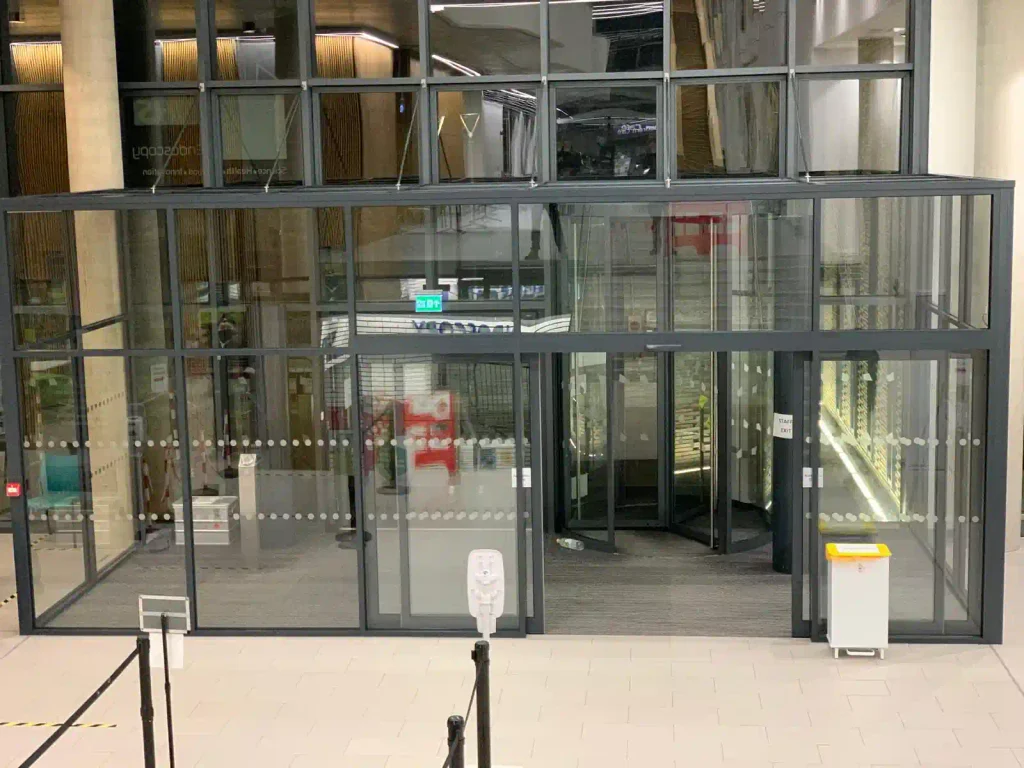
3. Automatic Revolving Doors
Revolving doors consist of panels that rotate around a central axis, allowing people to enter and leave while helping limit the direct exchange of indoor and outdoor air.
They are commonly associated with larger commercial buildings, hotels and office developments. Because their design and operation are more complex, the suitability of a revolving door depends on the entrance dimensions, expected traffic and the needs of building users.
4. Access-Controlled Automatic Doors
Some businesses require entrances that combine automatic operation with controlled access. These systems may use card readers, keypads or other authorised entry methods.
They can be useful for offices, staff-only areas and commercial buildings where access needs to be restricted. The access-control system should be designed alongside the door’s safety features and emergency arrangements.
Benefits of Automatic Doors in Uxbridge
Automatic door systems can provide several practical benefits for businesses when properly selected and maintained.
Improved Accessibility
Automatic doors can make entrances easier to use for people with limited mobility, wheelchair users, older visitors and individuals carrying shopping or equipment.
Removing the need to operate a heavy door manually can reduce physical effort and help create a more inclusive entrance. Businesses should still assess doorway width, thresholds, opening speed and surrounding access routes to ensure the entrance is suitable for its intended users.
Better Customer Experience
The entrance is often the first point of contact between a business and its visitors. A well-designed automatic door can create a welcoming impression while helping people enter without unnecessary delays.
For retail premises, hotels and customer-facing offices, smooth door operation can contribute to a more convenient visit, particularly during busy periods.
Efficient Pedestrian Movement
Busy commercial premises may experience a continuous flow of customers, employees and deliveries. Automatic doors can help manage this movement by opening when required and closing after people pass through.
Choosing a system suited to the expected traffic level can reduce congestion around the entrance. Sensor positioning and door-opening settings should be configured appropriately to support safe operation.
Enhanced Safety
Modern automatic door systems can incorporate sensors and protective devices designed to detect people or obstacles in the door’s operating area. These features help reduce the risk of impact or trapping when correctly selected, installed and maintained.
Safety performance depends on the complete system, including the door mechanism, sensors, controls and installation. Regular inspections are important to identify faults and ensure the equipment continues to operate as intended.
Modern Appearance
Glass and aluminium automatic doors can complement contemporary commercial architecture. Their clean lines and glazed surfaces can create an open entrance while helping businesses maintain a professional appearance.
Different frame finishes, glazing options and configurations allow the door to coordinate with the building’s exterior and interior design.
How to Choose the Right Automatic Door System
Before selecting a system, businesses should consider several factors.
- Building purpose: A retail entrance may require a different configuration from a staff-only office entrance or healthcare facility.
- Pedestrian traffic: Estimate how frequently the doors will operate throughout the day.
- Available space: Determine whether sliding, swing or revolving doors are appropriate for the entrance layout.
- Accessibility: Consider the needs of wheelchair users, people with limited mobility and visitors carrying items.
- Security: Decide whether the entrance requires controlled access, suitable locking arrangements or integration with existing security systems.
- Energy efficiency: Look for appropriate seals and operating settings that help limit unnecessary air exchange.
- Maintenance: Consider inspection requirements, servicing availability and access to replacement components.
A professional assessment can help identify the most appropriate system and reduce the likelihood of problems caused by unsuitable specifications.
Professional Installation and Maintenance
Correct installation is essential for the safe and reliable operation of automatic doors. The process typically includes measuring the opening, checking the supporting structure, fitting the mechanism and sensors, configuring the controls and testing the complete system.
Installers should ensure that the door operates smoothly and that safety devices respond appropriately to people and obstacles. The installation must meet applicable UK requirements and relevant safety standards for the specific door type and setting.
Ongoing maintenance is equally important. Regular servicing can help identify worn components, faulty sensors, unusual noises, alignment problems and inconsistent opening or closing behaviour.
Businesses should arrange maintenance according to the manufacturer’s recommendations, system usage and applicable requirements. Staff should also know how to report faults and follow the building’s procedures if an automatic door stops operating correctly.
A malfunctioning door should be assessed promptly, particularly where its failure could create an accessibility or safety issue.
Why Consider AluGlass Solutions?
Selecting a suitable door provider involves more than comparing product prices. Businesses should look for clear communication, appropriate product recommendations and an understanding of their building’s practical requirements.
AluGlass Solutions can be contacted by businesses exploring door and glazing options for commercial premises in Uxbridge and the surrounding areas. Before proceeding, discuss the intended application, available configurations, installation requirements and ongoing maintenance arrangements.
A well-planned automatic entrance can support convenient access, improve the visitor experience and complement the property’s overall design.

Frequently Asked Questions
Are automatic doors suitable for small businesses?
Yes. Automatic doors can be suitable for shops, clinics, offices and other smaller commercial premises, provided the selected system fits the entrance and its intended use.
Do automatic doors improve accessibility?
They can make entrances easier to use by reducing the need for manual operation. The complete entrance must also provide suitable clearance, access routes and safe operating conditions.
How often should automatic doors be serviced?
Service frequency depends on the door type, usage levels, manufacturer guidance and applicable safety requirements. Busy entrances may need more frequent inspections.
Can automatic doors be integrated with access-control systems?
Yes. Compatible systems may support card readers, keypads and other authorised entry controls. Integration should preserve the door’s safety functions and emergency arrangements.
Are automatic glass doors safe?
They can be safe when appropriately designed, installed and maintained. Suitable safety glazing, sensors, protective devices and regular inspections are important considerations.
Conclusion
Automatic doors provide a practical way for businesses to improve accessibility, streamline pedestrian movement and create a professional entrance. From sliding and swing doors to revolving and access-controlled systems, the right solution depends on the building’s layout, traffic levels and security requirements. Professional installation and regular maintenance help support safe, reliable operation over the long term.
For advice on commercial door and glazing solutions, contact AluGlass Solutions to discuss your requirements and explore suitable options for your premises.
Contact AluGlass Solutions
Phone: 01895 217185
Email: info@aluglass.co.uk
Address: Ashley Road, Uxbridge, UB8 2GA, UK.


Comments are closed