


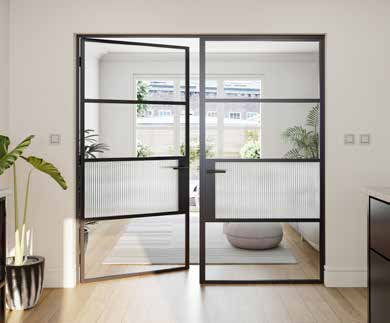
Glass doors can add natural light, openness and a contemporary appearance to homes and commercial properties. However, regular use, accidental impact, weather exposure and general wear can eventually affect their performance. Alu Glass Soultions provides professional glazing services for property owners who require Glazing Door Repairs in Ealing and need help restoring damaged or faulty glass doors.
A glass door may appear simple, but it combines several components that need to work together correctly. Alu Glass Soultions can assist with problems involving glazing, frames, hinges, handles, locks, rollers and seals, depending on the type and condition of the door.
For homeowners and businesses considering Glazing Door Repairs in Ealing, understanding the most common faults can make it easier to recognise when professional attention is required. Prompt repairs can help restore safe operation and prevent minor issues from becoming more disruptive.
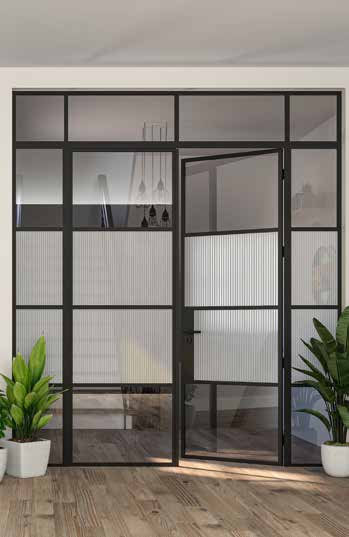
Common Problems With Glass Doors
Glass doors are available in several designs, including hinged, sliding, folding and aluminium-framed systems. Each type can develop different problems over time.
Common issues include:
- Cracked or damaged glass
- Doors that are difficult to open or close
- Misaligned door panels
- Faulty handles
- Damaged locks
- Worn hinges
- Damaged rollers
- Deteriorated seals
- Draughts around the frame
- Water ingress around the glazing
The correct repair depends on the cause of the problem and the condition of the complete door system.
1. Repairing Damaged Glass
Glass is one of the most important components of a glazed door. Cracks, chips or other visible damage should not be ignored, particularly where the damage affects the structural integrity or safety of the glazing.
Replacement glazing needs to be correctly measured and appropriately specified for the door. The type of glass required can depend on factors such as the door’s location, dimensions, design and safety requirements.
A professional glazing assessment can determine whether the glass can be repaired or whether replacement is more appropriate.
2. Fixing Misaligned Glass Doors
A door that no longer sits correctly within its frame can become difficult to operate. You may notice that it catches against the frame, leaves uneven gaps or requires additional force to close.
Misalignment can result from regular use, movement within the building or worn hardware.
Depending on the design, adjustment of hinges, rollers or other components may restore correct positioning without replacing the complete door.
3. Repairing Door Handles
Handles receive frequent use and can eventually become loose, stiff or damaged.
A faulty handle can make a door inconvenient to operate and may also affect the locking mechanism. Professional inspection can determine whether the existing handle can be adjusted or whether a compatible replacement is required.
Using suitable hardware is important because door handles need to work correctly with the existing lock and door configuration.
4. Checking Hinges and Door Hardware
Hinges allow many glass doors to open and close smoothly. Over time, they may become worn, loose or misaligned.
Signs of a potential hinge problem include:
- Squeaking or unusual sounds
- The door dropping slightly
- Difficulty closing
- Uneven gaps
- Increased resistance when opening
Depending on the condition, hinges may require adjustment, servicing or replacement.
5. Repairing Sliding Glass Doors
Sliding glass doors use tracks and rollers rather than conventional hinges. Dirt, debris, worn rollers or alignment problems can make a sliding door increasingly difficult to move.
Common signs include:
- Stiff movement
- Grinding or unusual noises
- The door coming off its intended alignment
- Uneven gaps
- Difficulty closing completely
A professional can inspect the track and roller system and determine whether cleaning, adjustment or component replacement is appropriate.
6. Replacing Damaged Door Seals
Seals around glass doors help minimise draughts and unwanted moisture. Over time, seals can become compressed, cracked or detached.
Deteriorated seals may contribute to:
- Draughts
- Water penetration
- Reduced comfort
- Increased air movement around the frame
- Poorer overall door performance
Replacing worn seals can help improve the weather resistance of an otherwise functional door.
7. Addressing Faulty Locks
Locks are particularly important for external glass doors. If a lock becomes difficult to operate or does not engage correctly, the problem should be investigated promptly.
Lock faults can result from worn internal components, misalignment or damage to the surrounding hardware.
A professional assessment can establish whether adjustment, repair or replacement of the locking mechanism is required.
8. Aluminium-Framed Glass Door Repairs
Many modern glass doors use aluminium frames because aluminium can provide strength while maintaining a contemporary appearance.
Problems with the frame can affect the operation of the entire door. Loose hardware, damaged seals, alignment problems or worn components may require attention.
Because the frame, glass and hardware work as one system, identifying the actual source of the problem is important before deciding on a repair.
Repair or Replace the Door?
Not every damaged glass door needs to be completely replaced. If the frame and main structure remain in good condition, repairing individual components may be a practical option.
Repair may be suitable for problems involving:
- Handles
- Locks
- Hinges
- Rollers
- Seals
- Alignment
- Certain glazing components
Replacement may be more appropriate if the frame is severely damaged, the glazing system is extensively deteriorated or the existing door no longer meets the property’s requirements.
A professional inspection can help determine which approach is suitable.
Benefits of Professional Glass Door Repairs
Professional repairs can provide several practical benefits.
Improved Operation
Repairing worn or misaligned components can help a door open and close more smoothly.
Better Security
Addressing faulty locks, handles and alignment problems can help restore the intended security of an external door.
Reduced Draughts
Replacing damaged seals can help reduce unwanted air movement around the door.
Extended Service Life
Replacing individual worn components can allow a structurally sound door to remain in use for longer.
Safer Glazing
Damaged glass can present safety concerns. Professional assessment and correctly specified replacement glazing can help address these issues.
How to Maintain Glass Doors
Regular maintenance can help identify developing problems before they become more serious.
Homeowners and businesses should:
- Keep sliding tracks clean.
- Check handles and locks regularly.
- Inspect seals for cracks or deterioration.
- Avoid forcing stiff doors.
- Check for visible chips or cracks in the glass.
- Keep hinges and hardware maintained as recommended.
- Arrange professional inspection when persistent problems develop.
A door that suddenly becomes difficult to operate should not simply be forced open or closed, as this may worsen an existing hardware or alignment problem.
When Should You Call a Glazing Professional?
Professional attention is advisable when glass is cracked, a door cannot close correctly, locks are faulty, or the door has become increasingly difficult to operate.
Prompt attention can help identify the source of the problem and determine whether a repair or replacement component is required.
For doors located at height, large glazed panels or difficult-to-access areas, professional assistance is also preferable because handling glass can involve significant safety risks.
FAQ
Can a glass door be repaired instead of replaced?
Yes. Many problems involving handles, locks, hinges, rollers, seals and alignment can potentially be repaired without replacing the entire door. The condition of the frame and glazing should be assessed first.
What should I do if my glass door is cracked?
Avoid putting unnecessary pressure on the damaged glass and arrange a professional assessment. The appropriate replacement glazing will depend on the door’s design and safety requirements.
Why is my sliding glass door difficult to open?
Possible causes include dirty tracks, worn rollers, misalignment or damaged hardware. A professional inspection can identify the specific cause.
How often should glass doors be maintained?
There is no universal schedule, but doors should be visually checked regularly and inspected whenever unusual movement, damage, draughts or locking problems develop.
Can damaged seals be replaced?
Yes. Worn or damaged seals can often be replaced, depending on the door design and the type of sealing system used.
Conclusion
Glass doors combine functionality and visual appeal, but their glazing, frames and hardware can experience wear over time. Cracked glass, faulty locks, worn hinges, damaged rollers, deteriorated seals and alignment problems are all issues that may require professional attention.
Addressing problems early can help maintain smooth operation, security and weather resistance while potentially extending the useful life of an otherwise sound door. For professional glazing assistance, Alu Glass Soultions can discuss suitable repair or replacement options based on the condition of your glass door.
Contact Alu Glass Solutions
Phone: 01895 217185
Email: info@aluglass.co.uk
Address: Ashley Road, Uxbridge UB8 2GA.



Comments are closed